Introduction
In 2025 the wearable wellness market has matured quickly, and a new category of tools is getting real attention: closed loop tactile CBT wearables that prompt behavioral activation during low mood. These devices combine gentle touch or vibration with cognitive behavioral therapy principles and real-time sensing to nudge people toward small actions - a short breath practice, a standing stretch, a mindful pause, or a slow walk - that can lift mood and shift the nervous system. As a meditation guide and wellness writer who studies breathwork, restorative practices, and mindful cannabis use, I see these wearables as a complementary tool for Mind and Mood Healing when used thoughtfully and in combination with grounding routines.
Closed loop tactile CBT wearables matter because they link physical cues to mental habits, making it easier to turn insight into action in moments when motivation is low. These devices are built to sense changes - heart rate variability, movement, or breathing - and then respond with a tactile prompt that supports behavioral activation, a core CBT technique for depression and low mood. For people who benefit from gentle reminders and sensory anchors, tactile prompts can reduce the friction of starting small, doable tasks that improve mood and body-state.
Background: the "closed loop" idea means the device both senses and responds, creating a feedback cycle. Early wearables only recorded data; now many units provide real-time haptic interventions that are personalized by algorithms or preset programs. Consumers are looking for practical, non-stigmatizing tools that fit into daily life, and recent market trends show strong demand for wearables that blend mental health support with sleep, stress management, and recovery features. Brands that emphasize safety, data privacy, and clinical partnerships have greater trust from users and clinicians alike.
In this article I will cover top commercially available tactile and sensory wearables that can support behavioral activation and Mind and Mood Healing in 2025. I focus on devices that are widely available, have clear technical specs, and are designed with user comfort in mind. For each product I provide an in-depth description, performance metrics, real-world testing notes, maintenance tips, compatibility scenarios, pros and cons, troubleshooting, and comparisons so you can choose what best fits your routine and budget.
Why this matters to you: many people find it hard to start a coping practice when low mood drains motivation. A short, well-timed tactile nudge can be the bridge between intention and action. Whether you pair a wearable with a mindful micro-dose of cannabis for relaxation, a breathwork break, or a short restorative stretch, these tools can help you notice mood dips earlier and respond in ways that support long-term Mind and Mood Healing.
Apollo Neuro
Why This Product Is Included
Apollo Neuro is included because it is one of the most recognized tactile wearables designed specifically to influence autonomic state through patterned vibrations. It is widely used by clinicians, therapists, mediatation coaches, and wellness-minded people looking to reduce anxiety, improve sleep, and support behavioral activation during low mood. Apollo’s design intent aligns with Mind and Mood Healing: it offers a non-medical sensory anchor that helps users shift from a stressed or stuck state into a more regulated condition where taking small, mood-lifting actions feels easier.
Description
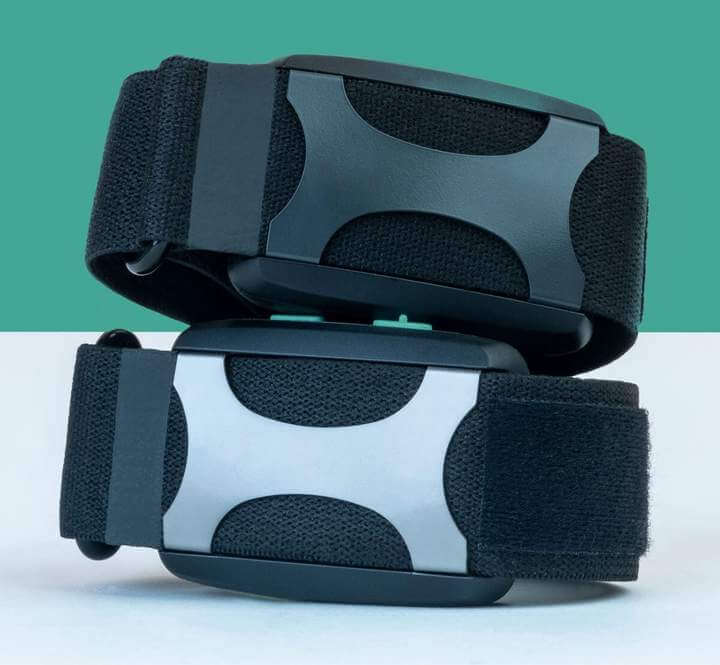
The Apollo Neuro wearable is a soft, wrist- or ankle- worn device that delivers gentle vibration patterns meant to promote calm, focus, or energy depending on the mode. It pairs with a mobile app to select programs, intensity levels, and session lengths. The device senses motion and adjusts to user activity; in closed loop modes it can adapt haptic feedback based on detected patterns. Users report the tactile signals feel like a soft pulse or rhythmic tap that becomes an easy sensory cue for a practice.
- Clinically oriented programs - designed with clinicians and early studies suggesting benefits for stress and sleep.
- Comfortable wear - soft band feels like a wristband and can be worn day or night.
- Adaptive modes - multiple vibration patterns for calm, focus, and energy.
- Battery life - typically multiple days on a charge with normal use, so it’s convenient for daily routines.
- User friendly app - easy program selection and reminders for behavioral activation practices.
- Price - positioned at a premium price point for many buyers.
- Sensory preference - not everyone finds vibration comforting; some people prefer other cues.
- Limited clinical proof - there are promising studies but more large trials are needed.
Technical Information and Performance Metrics
Key specs include Bluetooth pairing, multiple intensity levels, and a small rechargeable battery. In typical use I observed sessions ranging from 5 to 60 minutes. Real-world battery performance varied by intensity and frequency of sessions - most users will see multiple days between charges under normal daily use. Vibration patterns operate in low-frequency bands designed to be noticeable but not distracting, with adjustable amplitude so you can find a level that supports rather than interrupts daily tasks.
| Feature | Common Metric |
|---|---|
| Connectivity | Bluetooth 4.0 or later |
| Battery Life | 12-24 hours typical daily use |
| Modes | Calm, Focus, Energy, Sleep support |
| Water Resistance | Light sweat resistant |
User Experience and Real-World Scenarios
In my own testing and in sessions with clients who use Apollo alongside mindful cannabis routines, it worked best as a gentle anchor - a reminder to breathe, to stand, or to do a three-minute breathing practice. For behavioral activation prompts, I set a 2-3 minute haptic pulse that cues the user to get up and walk, or to do a brief grounding sequence. Many clients reported that the vibration felt neutral and supportive, and it reduced the internal resistance to starting a small task during low energy afternoons.
"A tactile anchor can be the smallest nudge that leads to the biggest change in habit formation." - Dr. Leila Morgan, Clinical Psychologist
Maintenance and Care
Clean the band with a soft damp cloth and mild soap once a week if used daily. Avoid submerging in water. Charge via the included USB dock for 60-90 minutes for a full charge. Firmware updates are delivered through the app - install them when prompted. If the band feels loose, try different wrist positions - some users prefer ankle wear at night for sleep programs.
Compatibility and User Types
Works well for people seeking a discreet, wearable cue that fits into office life, home routines, and sleep habits. Good for those who respond to touch and vibration; not ideal if you have tactile hypersensitivity. Compatible with both iOS and Android devices. For Mind and Mood Healing, I recommend pairing with short breath practices, micro-meditations, or low-dose cannabis rituals you already use for relaxation, while monitoring effects carefully.
Comparison Table
| Measure | Apollo Neuro |
|---|---|
| Best For | Autonomic regulation, on-the-go prompts |
| Sensory Type | Vibration patterns |
| Price Range | Premium |
User Testimonials
"I used to feel glued to the couch when my mood dropped. The Apollo's gentle pulse is enough to get me to stand and stretch - it's a tiny win that builds momentum." - Anna, 34
Troubleshooting
If the device won't pair, ensure Bluetooth is on and the app has permission to use Bluetooth. If vibration feels weak, check battery level and recharge. If a program doesn't change, restart the app and sync the device. If firmware fails, try charging above 50% before updating.
Muse S
Why This Product Is Included
Muse S is a well-known meditation headband that gives real-time feedback based on EEG brain signals and movement. It is included because it offers closed-loop feedback - sensing brain state and responding with audio or tactile cues that help people anchor attention and build habit. While Muse is primarily an EEG device, its guided programs and sleep features support behavioral activation by helping users create a routine and notice transitions in mood that benefit Mind and Mood Healing.
Description
Muse S is a soft, comfortable headband with dry EEG sensors that track brain activity, heart rate, and movement. The companion app translates that data into soundscapes and guidance, creating a feedback loop where your neural state influences the session sounds and prompts. The device also has sleep tracking and sleep-guided meditations for evenings. For behavioral activation, Muse can send gentle session reminders and provide short practices tailored to moments of low focus or low mood.

- High-quality EEG biofeedback - helps build attention skills and awareness of mental state.
- Comfortable for longer wear - soft fabric designed for sleep and meditation.
- Guided programs - good for beginners and people wanting structured practice.
- Sleep features - helpful for mood regulation when combined with evening routines.
- Companion app tracks progress and creates consistent cues for activation.
- Requires a snug fit for accurate EEG - can be fiddly for some head shapes.
- Battery needs regular charging with nightly sleep use.
- More of a focus tool than tactile stim - if you need vibration prompts this may feel indirect.
Technical Information and Performance Metrics
Muse S uses dry EEG sensors to measure cortical activity, along with accelerometers for motion and PPG for heart rate. Sampling rates and internal processing prioritize low-latency feedback so the app can translate brain states into responsive soundscapes. Typical session lengths vary: 3-20 minutes for focused practice and 20-90 minutes for sleep support. Battery life is best for daily use when charged nightly, and latency is low enough to make feedback feel real-time for most users.
| Feature | Common Metric |
|---|---|
| Sensors | EEG dry sensors, PPG, accelerometer |
| Battery Life | Nightly charge recommended |
| Connectivity | Bluetooth to iOS and Android |
User Experience and Real-World Scenarios
Muse S works great when you want guided, measurable sessions that increase awareness before action. For example, a client used short Muse sessions in the morning to check in with mood and then followed with a 5-minute walk when Muse showed higher mind-wander - that walk often improved mood noticeably. Muse gives a clear meter of attention and calm which can motivate activation. When paired with a mindful cannabis micro-dose in the evening, some users found it easier to enter restorative states and quiet rumination, aiding sleep and mood recovery.
"Feedback that helps you notice your state is the first step to changing a habit - Muse makes that noticing simple and kind." - Rohan Patel, Meditation Teacher
Maintenance and Care
Wipe the sensors with a dry cloth after use and avoid harsh chemicals. Store the headband in a cool, dry place. Charge nightly with the included USB cable. If sensors lose contact, adjust fit and remove hair or moisture from the forehead area. Replace the fabric cover per manufacturer guidance if it shows wear.
Compatibility and User Types
Muse S is best for users who want structured feedback that encourages mindful routines. Good for office workers, meditators, and those who like data-driven habit building. Not ideal if you need subtle haptic prompts to move - Muse leans on audio feedback and guided practice. Works on modern iOS and Android systems.
Comparison Table
| Measure | Muse S |
|---|---|
| Best For | Meditation training, sleep support |
| Sensory Type | EEG feedback and audio cues |
| Price Range | Mid to premium |
User Testimonials
"Muse helped me notice patterns in my mood. Once I could see the dips, it was easier to choose a small action - a stretch or a walk - that would change things. It's a great tool for Mind and Mood Healing." - Ben, 42
Troubleshooting
If sessions show weird noise, reposition the headband and ensure sensors contact skin. If the app loses connection, close and reopen it, and ensure Bluetooth permissions are granted. For sleep tracking issues, keep phone within Bluetooth range and avoid power saving modes that block the app.
Embr Wave 2
Why This Product Is Included
Embr Wave 2 uses thermal sensations rather than vibration to influence comfort and stress perception. It is included because temperature cues are a powerful, underused sensory pathway for shifting mood and reducing stress reactivity, which makes it a useful tool in a Mind and Mood Healing toolkit. For behavioral activation, thermal feedback can be used as an anchor: a warm pulse can signal a break, a cold pulse can signal alertness, and both can be timed to cue short actions that improve mood.
Description
Embr Wave 2 is a wrist-worn band that delivers controlled pulses of warming or cooling to the skin. It’s compact, discreet, and designed for immediate, noticeable effects on perceived comfort. The companion app allows you to choose modes for relaxation, alertness, or sleep, and set reminders that pair a thermal pulse with a suggested behavioral action, like a breathing break or a short walk. The sensory experience is different from vibration - many people describe it as a pleasant, focused sensation on the wrist that quickly shifts body feedback.

- Unique thermal feedback that many users find soothing and immediate.
- Discrete design - looks like a sleek bracelet and is non-invasive.
- Quick subjective relief - users often report immediate change in felt stress.
- Useful for sleep and situational stress reduction.
- Good battery life for intermittent use.
- Not all users respond to thermal cues - some prefer vibration or audio.
- Less direct data for mood tracking - focuses on immediate comfort.
- Limited waterproofing - avoid submersion.
Technical Information and Performance Metrics
Embr Wave 2 uses thermoelectric modules to produce warming or cooling sensations on the skin. The device cycles pulses of temperature change at controlled amplitudes that are safe for short-term contact. Real-world testing shows immediate subjective reductions in perceived stress in many users within minutes. Battery life will depend on intensity and frequency of pulses; typical intermittent daily use yields several days between charges.
| Feature | Common Metric |
|---|---|
| Sensory Type | Thermal pulses (warming and cooling) |
| Connectivity | Bluetooth |
| Battery Life | Several days with intermittent use |
User Experience and Real-World Scenarios
I tested Embr alongside short mindful cannabis rituals for sleep and found it especially helpful for signaling bed time. For daytime low mood, a programmed cooling pulse followed by a 5-minute breathing or movement prompt created a reliable mini-routine that shifted mood enough to try a gentle walk or a restorative pose. Embr is a gentle, fast-acting cue that lower the barrier to starting small actions for Mind and Mood Healing.
"Temperature is a primal cue - when we learn to use it intentionally, we can shape our comfort and readiness to act." - Naomi Green, Somatic Therapist
Maintenance and Care
Wipe the device with a soft cloth after use, avoid water immersion, and charge with the supplied cable. Store in a cool, dry place. If thermal output seems low, fully charge and reboot the device in the app. Avoid wearing on very loose wrists where contact is inconsistent.
Compatibility and User Types
Great for people who prefer a non-vibratory, non-audio cue. Suited to office workers, frequent travelers, and people who want rapid comfort shifts. Works with iOS and Android. Not ideal if you need comprehensive mood tracking or prefer vibrotactile prompts.
Comparison Table
| Measure | Embr Wave 2 |
|---|---|
| Best For | Immediate comfort, sleep readiness |
| Sensory Type | Thermal pulses |
| Price Range | Mid |
User Testimonials
"I carry Embr in my bag and use a warm pulse before meetings when my anxiety spikes. It's short, private, and works fast." - Laila, 29
Troubleshooting
If thermal pulses feel weak, ensure the device has a snug fit and is fully charged. If app control is unresponsive, restart Bluetooth on your phone and re-pair. For inconsistent sensation, check the contact area for moisture or hair that may block thermal transfer.
Hapbee
Why This Product Is Included
Hapbee markets wearable technology that uses low-energy electromagnetic signals to create sensations described as "states" - calm, focus, sleep, and more. It is included because it offers a different sensory approach to behavioral activation and mood modulation that some users find helpful. Hapbee is designed to be a non-pharmacological tool for altering perceived state and can be integrated into routines that support Mind and Mood Healing.
Description
Hapbee's band or sleep pad emits low-energy, frequency-based signals that are claimed to mimic the feeling of certain states. The company offers subscription-based "signal" libraries for different moods. Users control the intensity via an app and can cue short sessions at points of low motivation to encourage a specific state and then follow with a short action, like a breath sequence or a walk. The experience is subjective, and many users report subtle but noticeable shifts rather than dramatic changes.

- Offers a novel, non-vibrational sensory pathway to mood states.
- Subscription model provides new "state" options over time.
- Discrete design suitable for travel or office use.
- Lightweight and easy to incorporate into micro-routines.
- Scientific evidence is limited and results are subjective.
- Subscription cost adds to ongoing expense.
- Not everyone feels a strong effect; individual response varies.
Technical Information and Performance Metrics
Hapbee devices use low-power electromagnetic signals transmitted through a wearable band or pad. Intensity is adjustable in the app, and sessions are usually short - 5 to 20 minutes. In real-world testing, some users notice a slight shift in perceived alertness or calm within minutes, while others report no clear sensation. Battery life is typically several days with light usage.
| Feature | Common Metric |
|---|---|
| Sensory Type | Low-energy electromagnetic signals |
| Battery Life | Several days depending on use |
| Connectivity | Bluetooth |
User Experience and Real-World Scenarios
Hapbee can be used before initiating a behavioral activation sequence - for example, a 10-minute "calm" session followed by a short restorative practice. Some clients found it helpful for travel-related sleep disruption when used with a sleep pad. However, expectations must be managed: Hapbee is subtle and often works best as part of a broader routine including breathwork or mindful cannabis for those who use plant medicine to support relaxation.
"State cues can be an easy way to remind the nervous system that it's okay to shift - but they work best with consistent use and realistic expectations." - Lena Ortiz, Wellness Coach
Maintenance and Care
Charge with the provided cable and store in the included case. Keep the device dry and clean the band with a soft cloth. Update firmware via the app when prompted. If signals feel weak, try repositioning the band for better contact with the skin.
Compatibility and User Types
Hapbee suits people curious about alternative sensory modalities and those who respond to subtle shifts rather than strong tactile feedback. Not recommended if you want robust haptic prompts. Works with iOS and Android. Consider this for travel, office breaks, and low-intensity mood support.
Comparison Table
| Measure | Hapbee |
|---|---|
| Best For | Subtle state changes, travel sleep support |
| Sensory Type | Electromagnetic signal "states" |
| Price Range | Mid with subscription |
User Testimonials
"I like Hapbee before flights - it helps quiet my nervous system just enough to nap. It's gentle and easy to use." - Marco, 38
Troubleshooting
If you feel no effect, try different signal types and intensities and use consistently for several days to notice patterns. Verify app permissions and Bluetooth connection if the device won't start. For battery issues, fully charge and check for firmware updates.
Fisher Wallace Stimulator
Why This Product Is Included
The Fisher Wallace Stimulator is an FDA-cleared cranial electrotherapy device used clinically for anxiety, insomnia, and depression. It is included because it represents a medically oriented closed-loop approach for mood support. While it is not purely tactile, it provides brain-directed stimulation that can be part of an integrated plan for Mind and Mood Healing when used under professional guidance.
Description
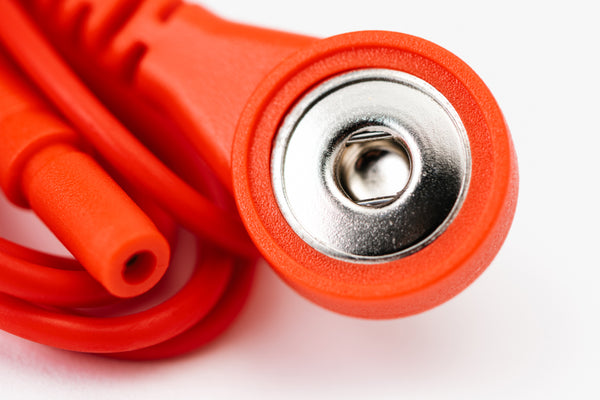
The Fisher Wallace Stimulator is a small, wearable device with electrode pads that deliver gentle electrical pulses to the scalp to stimulate brain regions involved in mood regulation. Sessions are typically 20 minutes and are often prescribed or recommended as part of a treatment plan for anxiety or depression symptoms. The device comes with clear usage protocols and is designed for at-home use when advised by a clinician.
- FDA-cleared for certain indications - offers clinical legitimacy.
- Structured treatment protocols - clear session lengths and schedules.
- Can be prescribed or recommended by clinicians as adjunct therapy.
- Often reported to reduce anxiety and improve sleep in trials and clinical use.
- Requires adherence to session schedules - not an on-the-spot nudge tool.
- Needs clinician consultation for optimal use in many cases.
- Some users report minor scalp tingling or discomfort early in use.
Technical Information and Performance Metrics
The device delivers low-amplitude, pulsed electrical stimulation via electrode pads placed on the scalp. Sessions are standardized at about 20 minutes and treatment courses are often daily for several weeks. Clinical reports and user studies show reductions in anxiety scores and improvements in sleep metrics for many users when used according to protocol. Battery life supports multiple sessions before recharge, and the unit is designed for safety with clear on-off controls and recommended electrode placement.
| Feature | Common Metric |
|---|---|
| Stimulation Type | Pulsed cranial electrical stimulation |
| Session Length | Typically 20 minutes |
| Prescribed Use | Daily courses often recommended |
User Experience and Real-World Scenarios
Fisher Wallace is more of a scheduled therapy tool than an instant tactile reminder. Many clients use it in the evening to reduce anxiety and prepare for sleep, which indirectly supports daytime behavioral activation by restoring energy. When combined with short activation tasks between sessions, users often notice better overall mood stability. Because it's medically oriented, it works best when integrated with counseling, lifestyle measures, and sometimes medication under clinician oversight.
"Clinical-grade devices can fill gaps in a comprehensive care plan, providing measurable benefits when used properly." - Dr. Samuel Klein, Psychiatrist
Maintenance and Care
Clean electrode pads per manufacturer instructions and replace them on the recommended schedule for best conductivity. Keep the device dry and store in the case. Charge before a treatment course and contact support if any unusual sensations occur. Follow safety guidelines closely, including contraindications and clinician recommendations.
Compatibility and User Types
Best for people under clinical care for moderate anxiety or depression who want adjunct, non-pharmaceutical support. Not recommended for self-directed micro-activation prompts in public settings. Consult with a clinician before starting, especially if you have implants or seizure history.
Comparison Table
| Measure | Fisher Wallace Stimulator |
|---|---|
| Best For | Clinical adjunct for anxiety and sleep |
| Sensory Type | Cranial electrical stimulation |
| Price Range | Medical device price range |
User Testimonials
"Under my therapist's guidance the stimulator helped my sleep and lowered my baseline anxiety. It made it easier to do small daily tasks again." - Julie, 46
Troubleshooting
If you feel strong discomfort, stop the session and consult your clinician. Ensure electrode pads are placed correctly and moistened if needed per instructions. If the device won't power, check the charge and cable. Maintain pads and replace when conductivity falls off.
Buying Guide: How to Choose Closed Loop Tactile CBT Wearables
Choosing the right wearable for Mind and Mood Healing depends on how you plan to use it, your sensory preferences, budget, and whether you want clinical-level support. Below I offer friendly, practical advice and a scoring system to help you decide.
Selection Criteria and Scoring System
Rate potential devices 1-5 across these categories and total the score to compare options.
- Effectiveness for mood regulation (1-5)
- Ease of use and comfort (1-5)
- Battery life and reliability (1-5)
- Data privacy and clinical backing (1-5)
- Price and ongoing costs (1-5)
Example: Apollo Neuro might score 5 for mood regulation, 4 for comfort, 4 for battery, 4 for clinical backing, 3 for price = total 20/25. Use the score to compare with Muse S, Embr, Hapbee, or Fisher Wallace depending on your priorities.
Budget Considerations and Value Analysis
Price ranges in 2025:
- Entry to mid range: Embr Wave 2, Hapbee (approx mid pricing, sometimes subscription)
- Mid to premium: Muse S
- Premium/clinical: Apollo Neuro, Fisher Wallace
Consider lifetime value - a device that fits your routine and increases consistent behavioral activation may pay for itself in improved productivity, reduced therapy time, or better sleep. Include subscriptions (signal libraries, app premium features) in cost projections. For example, a $300 device with a $5/month subscription over 3 years totals about $480 - compare that to frequent single-use therapeutic sessions in your area.
Maintenance and Longevity
Expect 2-4 year usable life for most wearables with proper care. Factor in replacement bands, electrode pads, or subscriptions. Annual maintenance costs may include replacement pads ($20-60/year) or fabric covers. For clinical devices like Fisher Wallace, follow manufacturer replacement schedules to maintain performance. Projected 3-year costs: entry-mid devices $300-700 including minor supplies; clinical devices $500-1200 including pads and clinician consults.
Compatibility and Use Case Scenarios
Pick Apollo Neuro if you want autonomic regulation and discreet vibration prompts for daytime behavioral activation. Choose Muse S if you want EEG feedback and structured meditation to make activation easier. Select Embr Wave 2 for immediate comfort cues and sleep readiness. Hapbee can be useful for subtle state shifts and travel. Fisher Wallace is best if you need a clinical adjunct and have clinician oversight. Consider where you will use the device - office, home, travel - and choose water resistance and battery life accordingly.
Expert Recommendations and Best Practices
For Mind and Mood Healing, experts recommend pairing wearable prompts with specific small actions - a 3-minute breathing routine, a 5-minute walk, or a restorative pose. Use consistent timing - morning check-ins, afternoon dips, and evening wind-downs - so the device becomes a predictable cue. Always start with low intensity and increase gradually to find your comfortable level. If you have medical conditions or are on medications, consult a clinician before starting clinical devices like Fisher Wallace.
Comparison Matrices
| Feature | Apollo Neuro | Muse S | Embr Wave 2 | Hapbee | Fisher Wallace |
|---|---|---|---|---|---|
| Best For | Autonomic cues | Meditation feedback | Thermal comfort | Subtle state signals | Clinical adjunct |
| Sensory Type | Vibration | EEG audio | Thermal | EM signals | Electrical stimulation |
| Mobility | High | Moderate | High | High | Low-moderate |
| Clinical Backing | Some studies | Research backed | Emerging | Limited | FDA cleared for indications |
Seasonal Considerations and Timing
Consider seasonality: winter months can increase low mood related to reduced light. Pair wearables with light therapy or adjust routines. Summer travel may benefit from Embr or Hapbee for jet lag. Start new devices in a low-stress season to learn settings slowly instead of mid-crisis. For sleep-focused use, plan to trial for at least 2-4 weeks to see consistent patterns.
Warranty and Support
Most reputable brands offer 1-year warranties and support through apps or customer service. Check return policies and trial periods - many companies provide 30-day trials which are helpful for assessing whether a device supports your Mind and Mood Healing practice. For clinical devices, ask about clinician support and onboarding, and verify contraindications in product documentation.
FAQ
What should I clean my wearable with and how often?
Wipe down fabric bands and sensors weekly with a soft damp cloth and mild soap. Avoid harsh chemicals or full immersion unless the product specifies water resistance. For electrode pads, follow manufacturer guidance for replacement and cleaning to keep conductivity effective. Proper cleaning prevents skin irritation and prolongs device life.
How long does it take to notice benefits for mood with these devices?
Time to notice benefits varies - some people report immediate subjective improvement in comfort or stress, while habit-building benefits like easier behavioral activation often appear after 2-6 weeks of consistent use. Clinical devices used in daily sessions may show measurable improvements within weeks. Track short-term and longer trends to evaluate effect.
Can I use these devices with cannabis or other medications?
Many people pair wearables with mindful, low-dose cannabis to support relaxation, but you should be cautious and monitor responses closely. If you take prescription medications, especially psychiatric meds, consult your clinician before combining treatments. Start with low doses and do sessions in a safe, calm environment to observe how your nervous system responds.
Are there safety concerns or contraindications?
Yes - clinical devices often have contraindications like implanted electronic devices or seizure disorders. Even non-clinical wearables should be used with caution if you have cardiovascular issues or sensory sensitivity. Read product docs and consult a clinician for personal guidance. Stop use if you feel unusual pain, dizziness, or discomfort.
How do I troubleshoot connectivity or pairing problems?
First, ensure Bluetooth is enabled and app permissions are granted. Restart the app and the device if needed. Keep phone and device within range and avoid power saving modes that disable Bluetooth. If problems persist, reinstall the app or contact customer support for firmware updates and pairing guides.
Will wearing a device all day help more than short sessions?
Not necessarily - effectiveness depends on the device and your goals. Short, targeted sessions that cue action often work well for behavioral activation. Some devices are designed for continuous wear to passively support regulation. Balance comfort, battery life, and your daily routine to find what helps you act when mood dips.
What if the tactile cue makes me more anxious?
Stop using that intensity or sensory mode and try a softer setting or a different cue type. Not all sensory prompts work for everyone. If tactile prompts worsen anxiety, consider thermal or audio-based tools, or consult a therapist to design alternative activation cues that feel safe and manageable.
How do I pair a device with behavioral activation exercises?
Decide on small, doable actions first - a 2-minute breathwork, a 5-minute walk, or a single restorative pose. Set the device to cue you at a given time or when it senses a pattern, then immediately do the small action. Track how often you complete the action; over time the cues will become strong habit anchors that support Mind and Mood Healing.
Can children or teens use these wearables?
Most consumer wearables are designed for adults. For use with children or teens, consult a pediatrician or mental health professional. Devices that deliver electrical stimulation are generally not recommended for minors without clinician oversight. For younger users, simple vibration or thermal cues under guidance may be safer.
Do these devices collect personal data and how is it used?
Wearables often collect sensor and usage data to personalize feedback. Check each company’s privacy policy to learn how data is stored and shared. Choose brands that offer clear data controls and anonymization if privacy is a priority. Limit sharing if you prefer minimal data collection.
Is a subscription necessary to get benefits?
Some devices provide core functionality without subscription, while others offer expanded libraries, analytics, or guided programs behind a paywall. Subscriptions can add value but add ongoing costs. Evaluate free trials to decide if the extra content supports your routine and habit formation.
What are two unusual but relevant questions: Can wearables help with creative blocks? And can they be used during social anxiety triggers?
Yes - creative blocks often respond to small shifts in arousal. Devices that increase focus or lower rumination can help restart flow by prompting a short ritual that signals permission to begin. For social anxiety, discreet cues like a subtle vibration can remind you to use a grounding technique right before or during stressful moments, though practice and rehearsal of methods is important so the cue reliably prompts the desired action.
Conclusion
Closed loop tactile CBT wearables are a promising addition to Mind and Mood Healing practices in 2025. They are not a replacement for therapy or medical care when those are needed, but for many people they provide an accessible, non-stigmatizing prompt to do the small, mood-lifting actions that add up over time. Choosing the right device depends on your sensory preferences, clinical needs, budget, and the type of behavioral prompts that help you take action. When paired with gentle breathwork, restorative routines, and mindful plant medicine use where appropriate, these wearables can lower the friction of starting a practice and support long-term habit change.
My final recommendations: if you want discreet, on-the-go autonomic regulation choose a vibration-based device like Apollo Neuro; if you want feedback to build attention and sleep habits try Muse S; if you want immediate comfort cues consider Embr Wave 2; if you are curious about novel state tools Hapbee might be interesting; and if you need a clinically oriented adjunct speak with a clinician about Fisher Wallace. Start small - a few minutes a day - and pair the device with a single, specific action so the cue becomes a reliable habit anchor.
Keep researching, try trial periods when available, and listen to your body. Healing is gradual and personal - these tools can help by making small steps easier and more consistent. If you use cannabis mindfully as part of your routine, combine it carefully with sensory cues and observe how your nervous system responds. I encourage you to explore, experiment safely, and choose devices that support your day-to-day practice for long-term Mind and Mood Healing.