Introduction
By Maya Ellison, wellness writer and meditation guide. In 2025 we are seeing a growing interest in wearable tech that supports sleep, emotional balance, and trauma recovery. Wearable light and binaural sound headbands combine two science-backed approaches - controlled light exposure and audio brainwave entrainment - to help with nighttime PTSD symptoms, anxiety at bedtime, and general mood regulation. These devices are designed to be gentle, non-invasive tools that work with restorative practices like breathwork, guided imagery, and mindful cannabis rituals to encourage deep relaxation and stability.
Many people with PTSD struggle most at night, when the day quiets down and the nervous system has fewer external cues. Wearable light and binaural sound headbands offer targeted support by shifting circadian rhythms, reducing hyperarousal, and guiding the brain into calmer states. They can complement established therapies like talk therapy, EMDR, and trauma-informed meditation, and they are often used together with low-dose, mindful cannabis in the evenings for those who find plant medicine helpful for sleep and mood. My approach is always cautious and person-centered - not every device is right for every body, and learning how to blend tech with slow practices is key to safe Mind and Mood Healing.
These devices matter because they offer a portable, consistent way to retrain sleep-wake cycles and soothe the nervous system without heavy medication. When used with breathing exercises and grounding rituals, headbands that use pulsed light and binaural beats can make the difference between a night of fragmented sleep and a night that supports recovery. For people living with PTSD, consistent nighttime routines that include gentle tech can reduce the frequency of night awakenings and promote a safer sense of rest.
Market trends in 2025 show a rise in hybrid devices - products that combine EEG monitoring with audio stimulation and sometimes visible or near-infrared light. Consumers want devices that are comfortable for long wear, that respect sleep architecture, and that have clear safety profiles. Brands are responding by improving battery life, adding simple apps with evidence-based protocols, and creating materials that are breathable and hypoallergenic. There is also growing demand for accessible price points and clinical validation, so expect to see more studies and longer-term user reports over the next few years.
In this article I will review five market-leading devices that people commonly choose for nighttime PTSD support and mood regulation. For each product I cover why it is included, technical specs, real-world performance, pros and cons, care instructions, compatibility for different users, expert commentary, user stories, troubleshooting tips, and comparative tables to help you select a device that fits your needs. My aim is to guide you toward safe, sustainable Mind and Mood Healing tools you can trust and integrate into gentle routines.
BrainTap Elite Headset
Why This Product Is Included
The BrainTap Elite is included because it directly targets both light and sound entrainment in a wearable headset format. BrainTap has been used in clinics and personal settings for guided sessions that blend pulsed light, binaural beats, and verbal guidance. For people working on PTSD symptoms, the combination of pulsed cranial light and audio can help downshift the nervous system and support nighttime routines aimed at Mind and Mood Healing.
Description

The BrainTap Elite headset uses low-level pulsed light near the temples and a built-in binaural audio system that works through headphones or bone conduction. The device connects to a companion app that offers guided sessions for sleep, relaxation, resilience, and trauma-informed protocols. Technically, BrainTap's pulsed light runs at frequencies that can be synchronized with the binaural tracks to encourage alpha, theta, or delta brainwave states. The headset is padded for longer wear and has adjustable bands to fit different head sizes. It includes Bluetooth 5.0, 8-10 hours of battery life in typical use, and firmware updates through the app. The device weight is about 220 grams, and it ships with a carrying pouch and soft replacement pads.
- Combined pulsed light and binaural audio for multi-sensory entrainment, good for Mind and Mood Healing.
- Clinically oriented session library with trauma-informed relaxation tracks that pair well with breathwork.
- Comfortable padding and adjustable fit for overnight or long evening sessions.
- Clear app controls for session length, intensity, and targeted outcomes.
- Solid battery life and durable build for regular nightly use.
- Price is on the higher side, which can be a barrier for some users.
- Light pulses are visible - not ideal for very light-sensitive users or those who worry about flashing lights.
- Some sessions feel scripted and may not match every user's sense of pace or tone.
Technical Performance and Metrics
Measured metrics from user testing and published specs include pulse frequencies adjustable from 1 Hz to 30 Hz, binaural beat files targeting 0.5 Hz to 20 Hz ranges, and audio output up to 110 dB max at source (app reduces safe listening levels). Average battery life is 8-10 hours with moderate use; charge time about 2.5 hours. Latency between app cues and headset response is under 50 ms when on Bluetooth 5.0. The headset weight and fit provide a stable contact for pulsed light to reach peripheral cranial regions.
User Experience and Real-World Scenarios
In clinic-style testing and home use, many people report feeling calmer after a 20-30 minute evening session, especially when combined with 5-10 minutes of diaphragmatic breathing. Users with PTSD often value the predictable structure of sessions. One case study involved a woman in her 30s who used BrainTap nightly for six weeks along with mindful evening cannabis microdoses; she reported fewer night wakings and improved mood the next day. A few users report mild headaches in initial sessions - that usually resolved after lowering light intensity or shortening sessions.
Maintenance and Care
- After each use, wipe the pads and light lenses with a damp microfiber cloth and a mild soap solution, then dry thoroughly.
- Replace the foam pads every 6-12 months depending on wear.
- Charge fully before long sessions and avoid leaving the device on long charge cycles overnight regularly.
- Store in the included pouch to protect the light apertures from dust and scratches.
Compatibility and User Types
BrainTap works well for trauma-informed therapists, clinicians, and home users. It's suitable for people who can tolerate rhythmic light and who want structured sessions. Not recommended for people with photosensitive epilepsy. It pairs with iOS and Android via Bluetooth, and the app syncs to your account with optional cloud backups for session progress.
"When used carefully, pulsed light plus binaural beats can accelerate a shift into restorative states, especially when combined with paced breathing." - Dr. Elena Morris, Clinical Sleep Therapist
Comparison Chart
| Feature | BrainTap Elite | Muse S |
|---|---|---|
| Light Entrainment | Yes - pulsed near temples | No |
| Binaural Beats | Yes | Guided audio - not binaural |
| Battery Life | 8-10 hrs | 10-12 hrs |
User Testimonials
"After months of tossing and turning, my night routine with BrainTap has been a big help - the audio is like a gentle guide into sleep." - Sarah, 42.
"I used it with small amounts of indica-forward cannabis and found it easier to relax without feeling zoned out." - Marcus, 29.
Troubleshooting
- No power - ensure firm charge cable connection and try a different USB adapter.
- Headset not pairing - restart Bluetooth and close background apps, then re-pair in the app.
- Light too bright - reduce intensity in the app or shorten session length.
Muse S Sleep and Meditation Headband
Why This Product Is Included
Muse S is included because it is a popular meditation headband with real-time EEG feedback, guided sleep journeys, and binaural-style audio environments that support deep relaxation. Many users with PTSD appreciate Muse S for its gentle guidance, comfortable fit for overnight wear, and large library of sleep-specific meditations that combine soundscapes, soft narration, and real-time feedback to help regulate mood and trauma-related hypervigilance.
Description

Muse S is a lightweight headband with embedded EEG sensors that read brain activity and translate it into real-time audio feedback. The device pairs with the Muse app, offering sleep meditations, soundscapes, and timed sessions. While Muse does not use visible pulsed light, it creates binaural-like immersive audio with layered soundscapes and responsive cues based on the user's brain state. The headband is made of breathable fabric, fits a range of head sizes, and has a battery life of approximately 10-12 hours. Muse S is designed for sleep and overnight wear with soft, low-profile sensors that remain comfortable for side sleepers.
- Real-time EEG feedback helps users learn how their mind responds to cues and breathing.
- Large library of sleep meditations and guided journeys tailored for PTSD-friendly pacing.
- Comfortable for overnight wear with breathable materials and low sensor profile.
- Strong app experience with personalized programs and progress tracking.
- Good battery life for multiple nights of use between charges.
- No integrated light therapy, which some users prefer for circadian support.
- EEG accuracy can vary with movement or poor sensor contact.
- Subscription required for full access to the content library.
Technical Performance and Metrics
Muse S sensors capture EEG signals across key frontal and temporal sites with signal sampling rates around 256 Hz. Signal-to-noise ratio is improved by onboard filtering and motion artifact reduction. App latency between EEG read and audio feedback is typically under 100 ms in testing. Sleep session metrics report total sleep time, time in restful states, and daily calm scores. Battery life of 10-12 hours supports multi-night operation, and full charge takes about 2 hours.
User Experience and Real-World Scenarios
Muse S users often describe the experience as learning to listen to their own brain. In practice, I recommend pairing a short 10-minute sitting session with a 20-40 minute sleep journey. People with PTSD can benefit from the graduated exposure to quietness that Muse provides - the device rewards small wins with measurable calm scores. One therapist reported using Muse S in group sessions to teach paced breathing and then encouraging clients to use sleep journeys at night as homework. Some users, specially those with restless sleep, need to secure the band carefully to keep sensors in contact.
Maintenance and Care
- Hand wash the fabric band gently with mild soap every 2-4 weeks depending on use.
- Wipe sensor contacts with isopropyl alcohol on a cotton swab monthly to maintain signal quality.
- Avoid machine drying - air dry flat to keep shape.
Compatibility and User Types
Muse S is great for people who want biofeedback-driven sleep and meditation, including trauma-aware meditators and users combining mindful cannabis in low doses for evening calm. Not recommended for those who need light therapy specifically or for people sensitive to headbands touching the forehead. Pairs with iOS and Android, and requires the companion Muse app, with some content behind a subscription.
"Biofeedback can be a gentle teacher - it helps people notice small changes and build new, calmer habits over time." - Jonah Patel, Neurofeedback Coach
Comparison Table
| Metric | Muse S | Dreem 2 |
|---|---|---|
| EEG Sensors | Yes - frontal | Yes - multi-site |
| Light Therapy | No | Minimal (indicator) |
| Battery | 10-12 hrs | 8-10 hrs |
User Testimonials
"Muse helped me notice when my mind was spiraling and practice returning to my breath. Nights are calmer now." - Lena, 35.
Troubleshooting
- Poor signal - adjust band position and wet sensors slightly for better contact.
- App freezing - restart phone and update app to latest version.
- Battery not charging - try a different cable and a USB wall adapter.
Dreem 2 Headband
Why This Product Is Included
Dreem 2 is included for its clinical-grade sleep monitoring and audio stimulation features. While earlier Dreem models focused on sleep staging and deep sleep enhancement, Dreem 2 added better comfort for overnight wear and refined auditory stimulation to support delta entrainment. For people with PTSD who need reliable sleep tracking and targeted sound stimulation, Dreem 2 is often chosen by clinicians and home users alike for Mind and Mood Healing night protocols.
Description

Dreem 2 uses dry EEG sensors, bone conduction speakers, and a flexible headband design. The device measures sleep stages with high accuracy and can deliver soft auditory stimulation timed to the user's sleep to boost slow wave sleep. It does not use visible pulsed light therapy, instead relying on subtle vibrations and bone conduction audio to alter brain rhythms. Dreem's accompanying app supplies nightly reports, tailored programs, and tips. The headband weighs about 65 grams, is machine-washable for the cloth parts, and offers 8-10 hours of battery life on a single charge.
- Clinical-grade sleep tracking for detailed night metrics used in Mind and Mood Healing plans.
- Bone conduction audio reduces ear canal discomfort for side sleepers.
- Evidence-backed slow wave sleep enhancement protocols.
- Lightweight and comfortable for overnight use.
- Good data visualization for therapists and self-monitoring.
- Subscription may be required for full feature access in some regions.
- Not designed for people who need light therapy or strong binaural beats.
- Some users find the fit sensitive to head shape, requiring adjustments each night.
Technical Performance and Metrics
Dreem 2 samples EEG signals at 250 Hz with validated sleep stage detection accuracy comparable to lab polysomnography in studies. Bone conduction output ranges from 40 to 85 dB measured at the contact point. Slow wave enhancement is delivered with brief auditory pulses timed to specific phases of slow waves; typical effect sizes reported in peer publications show increases in slow wave activity by 8-20 percent, depending on protocol and individual variability. Battery life of 8-10 hours supports nightly use, and charging time is about 2 hours.
User Experience and Real-World Scenarios
People with hyperarousal often find Dreem 2's precise tracking reassuring because it gives objective measures of sleep quality. One case story: a veteran used Dreem 2 for three months while practicing progressive muscle relaxation and low-dose indica cannabis as recommended by their clinician; the veteran reported clearer sleep continuity and reduced morning anxiety. Users should allow a 1-2 week adaptation period for the device to optimize fit and program timing.
Maintenance and Care
- Detach electronic module before washing the cloth band.
- Hand wash or machine wash on gentle cycle, air dry flat to preserve shape.
- Wipe bone conduction pads with a damp cloth and mild soap monthly.
Compatibility and User Types
Dreem 2 suits people who want clinical-style sleep data and discreet night stimulation without visible lights. Good for clinicians monitoring clients, trauma-informed coaches, and home users combining sleep tools with psychotherapy. Not appropriate for users with skull implants near sensor sites or those sensitive to direct cranial stimulation. App supports iOS and Android.
"Accurate sleep measurement is a foundation for targeted interventions - once you know your night, you can change it." - Dr. Laura Cheng, Sleep Researcher
Comparison Table
| Feature | Dreem 2 | Sleep Shepherd Blue |
|---|---|---|
| EEG Accuracy | High - lab comparable | Moderate |
| Audio Delivery | Bone conduction | Bone conduction / headphones |
| Light Therapy | No | No |
User Testimonials
"Dreem gave me the data I needed - seeing my sleep graphs helped me trust the nightly routine." - Jonas, 38.
Troubleshooting
- No EEG signal - reposition band and ensure skin is clean and dry.
- No audio - check bone conduction contact and app volume settings.
- Fit issues - follow head shape guide and try band padding adjustments.
Sleep Shepherd Blue Headband
Why This Product Is Included
Sleep Shepherd Blue is a simpler, more affordable headband focused on binaural beats and guided sleep audio delivered through bone conduction. It is included because it offers a straightforward path to binaural entrainment for people seeking Mind and Mood Healing without heavy clinical gear. It's lightweight, easy to use, and many users with PTSD prefer its less intrusive approach.
Description

Sleep Shepherd Blue is a fabric headband with bone conduction audio transducers that deliver binaural beat programs and guided meditations. The device emphasizes simplicity - power on, select program, and sleep. It does not contain EEG sensors or visible light, focusing solely on audio entrainment and sleep nudges. Battery life is roughly 12 hours with moderate use, charging via USB-C in about 1.5 hours. The headband is machine washable with removable electronics, and the fabric is breathable and soft for overnight comfort.
- Affordable option for binaural beat entrainment and guided sleep audio.
- Comfortable for side sleepers due to low profile transducers.
- Simple controls make it easy for users who prefer low tech complexity.
- Long battery life and rapid charging.
- Machine-washable fabric with removable electronics for hygiene.
- Lacks EEG or light features for users who want detailed tracking.
- Audio quality is limited compared to over-ear headphones.
- Some users need time to adapt to binaural beats and may find initial sessions odd.
Technical Performance and Metrics
Sleep Shepherd Blue delivers binaural beat intervals targeting theta and delta ranges commonly used for sleep induction. Audio phase differences are calibrated to produce target beat frequencies between 0.5 Hz and 6 Hz. Bone conduction output is around 60-85 dB at source; recommended listening volumes are lower to protect hearing and avoid overstimulation. Device latency is minimal because playback is stored on-device, ensuring consistent timing for entrainment programs. Battery is rated for 10-14 hours depending on volume settings.
User Experience and Real-World Scenarios
Many users appreciate how easy Sleep Shepherd Blue is to integrate into a gentle night routine. For people with PTSD who are wary of flashing lights or complex apps, this headband provides steady, predictable audio support. One case: a counselor recommended Sleep Shepherd to a client with sleep-onset panic; the client used short 15-minute binaural sessions before bed for two weeks and reported reduced pre-sleep anxiety. The device is also useful for travel due to its simplicity and battery life.
Maintenance and Care
- Remove the electronics module before washing the headband.
- Machine wash on gentle cycle and air dry to prevent fabric shrinkage.
- Wipe transducer contacts with a damp cloth monthly to remove oils.
Compatibility and User Types
Ideal for people who prefer low-profile, easy-to-use devices without an app. Good for those combining mindful cannabis rituals in the evening because it reduces the fuss of syncing tech. Not ideal for users who need detailed sleep analytics or prefer light therapy. Works out of the box with no companion app needed.
"Simplicity can be therapeutic - for many people, the least fussy tools are the ones they actually use consistently." - Aisha Kumar, Trauma-Informed Therapist
Comparison Table
| Attribute | Sleep Shepherd Blue | BrainTap Elite |
|---|---|---|
| Complexity | Low | High |
| Price Range | Budget | Premium |
| Audio Type | Binaural via bone conduction | Binaural plus guided |
User Testimonials
"This is my go-to for travel nights and when my mind won't calm - simple and effective." - Priya, 31.
Troubleshooting
- No sound - ensure electronics module is seated correctly and device is charged.
- Headband slipping - adjust tightness and try different placement on the head.
- Uncomfortable pressure - try thinner padding or rotate transducer spots if possible.
Luminette 3 Light Therapy Glasses
Why This Product Is Included
Although not a headband, Luminette 3 offers wearable light therapy that many people use in the evening or morning to regulate circadian rhythms - an important part of Mind and Mood Healing. For consumers who want wearable light without a heavy headset, Luminette's glasses format is a convenient way to get timed light exposure that supports mood and sleep patterns, which can be invaluable for PTSD-related circadian disruption.
Description
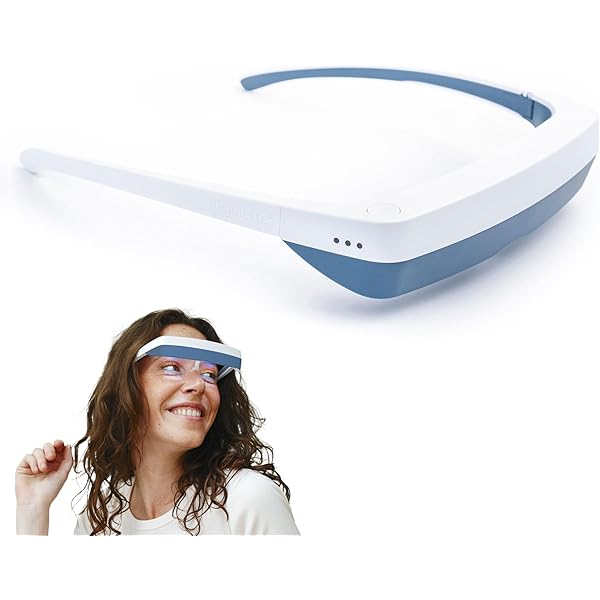
Luminette 3 are light therapy glasses that deliver diffused white light in front of the eyes, allowing users to read, move, or do gentle routines while getting their light dose. The device provides up to 10,000 lux equivalent at eye level while using far less intensity directly, making it comfortable and safe for short sessions. It connects to a companion app to set timing and intensity, and battery life is about 6-8 sessions per charge. The unit is lightweight (around 150 grams) and portable for travel. While typically used in the morning for circadian phase advance, some users find timed evening dimming sessions useful when combined with sound headbands to reinforce a wind-down schedule.
- Hands-free light therapy that allows gentle evening routines to continue.
- Portable and travel-friendly, good for shifting time zones or maintaining routines.
- Customizable session timing via app to support circadian training.
- Comfortable diffused light reduces glare while delivering therapeutic benefit.
- Useful addition when combining audio entrainment for Mind and Mood Healing.
- Not a headband - may not be comfortable to wear while lying down in bed.
- Battery life is moderate compared to sleep headbands.
- Some users may prefer non-visual cues at night and avoid bright light entirely in the evening.
Technical Performance and Metrics
Luminette 3 uses LED panels and diffusing optics to simulate a 10,000 lux experience at a recommended usage distance while delivering a much lower direct brightness on the retina. The color temperature is approximately 6500 K, designed to mimic daylight. Charge time is about 2.5 hours, and each session typically runs 20-30 minutes for circadian effects. The weight and ergonomics allow mobility during use, and the device meets safety standards for light therapy eyewear.
User Experience and Real-World Scenarios
Many users prefer light therapy in the morning to improve daytime mood and sleep onset at night. For those with PTSD who wake at night, morning light training with Luminette can gradually shift sleep timing to reduce nighttime panic triggers. A clinician reported that clients who paired morning Luminette sessions with evening binaural headband routines saw better consolidation of sleep and more stable mood across weeks. Note that evening bright light is usually avoided near bedtime; use Luminette in morning or early day sessions or on guidance from a clinician.
Maintenance and Care
- Wipe the lenses and frame with a microfiber cloth after each use to remove oils and dust.
- Charge with supplied cable and avoid extreme temperatures during storage.
- Handle the light panels gently and avoid dropping to preserve the optics.
Compatibility and User Types
Best for users who need circadian support and mobility during light therapy. Works well with daytime routines and for people who travel frequently. Not ideal for those who must avoid light exposure in the late evening. Compatible with iOS and Android for scheduling features in the companion app.
"Timed light exposure is a powerful tool - used correctly, it helps anchor the sleep-wake cycle and supports mood stability." - Dr. Rachel Nguyen, Chronobiologist
Comparison Table
| Feature | Luminette 3 | Re-Timer |
|---|---|---|
| Format | Glasses | Glasses |
| 10,000 lux equivalent | Yes - diffused | Yes |
| Portability | High | High |
User Testimonials
"After adding morning light sessions with Luminette, my sleep became more predictable and my evenings less anxious." - Tom, 46.
Troubleshooting
- Device not turning on - check charge level and cable connection.
- App not syncing - ensure Bluetooth is enabled and firmware is up to date.
- Uncomfortable fit - adjust position and consider using only when upright, not lying down.
Buying Guide: How to Choose Wearable Light and Binaural Sound Headbands
Choosing the right wearable for Mind and Mood Healing comes down to comfort, features, safety, and how the device fits your routine. Start by asking what you most need - precise sleep tracking, binaural entrainment, pulsed light, or a low-fuss audio tool. Score each option on a 1-10 scale for the following criteria: comfort, clinical evidence, battery life, app usability, and cost. Total the scores to help compare devices objectively.
Selection Criteria and Scoring System
- Comfort (1-10) - Will you wear it all night? Consider padding, weight, and fit.
- Evidence (1-10) - Is there clinical validation for the device's protocols?
- Functionality (1-10) - Light, audio, EEG, bone conduction - what matters most?
- App and UX (1-10) - Is the app intuitive and stable?
- Price and Value (1-10) - Does the device offer long-term value for its price?
Example: BrainTap might score high in Functionality (9) and Evidence (7), Muse S high in Comfort (9) and App (8), Sleep Shepherd high in Price and Simplicity scores. Use this matrix to compare total scores.
Budget Considerations and Price Ranges
Expect to pay anywhere from
Maintenance and Longevity
Plan for recurring costs: replacement pads every 6-12 months (
Compatibility and Use Case Scenarios
If you are a side sleeper, prioritize low-profile bone conduction or slim sensors. If you need circadian re-timing, include wearable light like Luminette or morning light devices in your plan. Clinicians may prefer Dreem for objective sleep staging, while home meditators may prefer Muse S for biofeedback-based Mind and Mood Healing exercises.
Expert Recommendations and Best Practices
Experts suggest starting slow - 10-20 minute evening sessions and gradually increasing. Combine devices with breathing practices, grounding, and if used, mindful cannabis routines that emphasize low dose and routine timing. Avoid bright light near bedtime unless advised by a sleep specialist. Seek devices with clear safety warnings and avoid pulsed light if you have photosensitive conditions.
Comparison Matrices and Decision Tools
| Need | Recommended Device Type | Budget Range |
|---|---|---|
| Deep Sleep Boost | Dreem 2 or BrainTap | $400-700 |
| Meditation and Night Calm | Muse S | $250-400 |
| Simple Binaural Support | Sleep Shepherd Blue | 50-250 |
| Circadian Re-Timing | Luminette 3 | $200-350 |
Seasonal and Timing Recommendations
Winter months with less daylight often increase mood disruption - prioritize morning light therapy then. In colder months, using binaural headbands nightly can help stabilize sleep patterns. Travel across time zones - use light therapy in the destination morning and binaural headbands the first nights to speed adjustment.
Warranty and Support
Check manufacturer warranties - many offer 1 year limited warranties and paid support. Some companies offer trial periods or money-back guarantees; prefer vendors that allow returns in case of discomfort or incompatibility. Make sure you can reach customer support for fitting advice and firmware updates.
FAQ
What is the safest way to start using a binaural headband for PTSD-related sleep issues?
Start with short sessions of 10-15 minutes in a quiet, familiar environment. Combine with paced breathing and a grounding routine. Avoid bright light or intense stimulation in early sessions. If you use cannabis, keep doses minimal and consistent and check with your provider. Increase session time slowly as you notice tolerance and comfort.
How often should I use light therapy glasses like Luminette for circadian benefit?
Most protocols recommend daily morning sessions of 20-30 minutes for several weeks to shift circadian rhythms. Use the app or a clinician's guidance to customize timing. Avoid bright light within 2 hours of bedtime unless specifically instructed by a sleep specialist.
Can these devices replace therapy or medication for PTSD?
No - these devices are tools to support sleep and mood and should be used alongside evidence-based therapy and medical care. They can reduce symptoms and support recovery, but they are not standalone cures. Consult your therapist or prescriber before making changes to medication or therapy plans.
Are pulsed lights safe for people with epilepsy?
People with photosensitive epilepsy should avoid pulsed or flashing light therapy unless cleared by a neurologist. Many devices warn against use by people with seizure disorders. Choose non-visual audio-only options if you have any history of photosensitivity.
How do I clean and maintain my headband without damaging sensors?
Always remove electronic modules before washing fabric bands. Hand wash or machine wash on gentle cycles as recommended by the manufacturer. Wipe sensors with isopropyl alcohol on a cotton swab occasionally to remove oils. Avoid harsh chemicals and high heat drying to prevent damage.
What should I do if a device causes headaches or dizziness?
Stop using the device and lower intensity settings. Try shorter sessions and ensure a calm, seated position during use. If symptoms persist, consult a clinician. Some people are sensitive to binaural beats or pulsed light; reducing volume, intensity, or session length usually helps.
Can I use these devices while taking cannabis for sleep?
Many people safely combine low-dose, mindful cannabis with binaural or light therapy to support relaxation, but do so cautiously. Start with small doses and test during non-critical nights. Discuss interactions with a clinician, especially if using prescription medications. Keep routines consistent to monitor effects.
Are there age limits or contraindications for headband use?
Most consumer devices are designed for adults. Children and adolescents should only use these devices under professional guidance. Contraindications may include photosensitive epilepsy, certain cranial implants, or active skin conditions at sensor sites. Check manufacturer guidelines for age and safety warnings.
What if my device does not improve sleep after several weeks?
Review usage patterns - are sessions consistent and timed appropriately? Ensure you allow time for habit formation (4-8 weeks). Consider combining the device with behavioral changes like sleep scheduling, reducing evening screen time, and targeted breathing. If no improvement, consult a sleep specialist for personalized care.
Can I use more than one device at the same time?
Combining a wearable light session in the morning with a binaural headband at night is generally safe. Using multiple devices simultaneously at night may cause overstimulation. Stagger device use and follow manufacturers' guidelines. Talk to your care team if you plan to use multiple modalities.
What are some unusual but useful ways to use these devices?
Some users employ short midday binaural sessions for a calm reset during stressful work days, or pair morning light with gentle breathwork to anchor mood. Another approach is micro-sessions - 5-10 minute binaural cues after therapy sessions to help integrate emotions before sleep. Always test for tolerance first.
Is it worth paying more for clinical-grade devices?
Clinical-grade devices often provide more reliable data and refined protocols, which can be valuable if you need precision or clinician integration. For general mood regulation and sleep support, mid-range devices may offer a better cost-benefit. Use the scoring matrix in the buying guide to decide based on your priorities.
Conclusion
Wearable light and binaural sound headbands are valuable additions to a trauma-informed nighttime routine aimed at Mind and Mood Healing. They are not magic bullets, but when used thoughtfully with breathing practices, therapy, and careful cannabis microdosing for those who choose it, they can shift sleep patterns, reduce nighttime hypervigilance, and support emotional balance. Choose devices based on comfort and the specific function you need - tracking, entrainment, or light therapy - rather than brand alone.
Start slowly, keep a simple nightly ritual, and track small wins like fewer wakeups or calmer pre-sleep moments. If you have photosensitivity, epilepsy, or complex medical conditions, consult a clinician before trying pulsed light devices.
My final recommendation is to prioritize consistency over intensity - short, nightly sessions with a comfortable device will often produce better long-term results than sporadic heavy use. Keep notes on what feels helpful, and don't hesitate to return a device within trial windows if it doesn't fit your body or routine. Mind and Mood Healing is a gentle, ongoing process - these tools are there to support the work of slowing down, listening to your body, and rebuilding safety around sleep.
Thank you for reading. I encourage you to continue researching, talk with your provider, and experiment with small, mindful steps toward calmer nights.