Introduction
My name is Samuel Avery. As a harm reduction advocate and community health worker, I write to help people have Safe Cannabis Experiences. In 2026 the consumer market for personal impairment testing is rapidly changing - more companies are working on breath, saliva, and combined sensors to give people quick feedback about recent cannabis use. These devices aim to help users make better choices about driving, operating machinery, or returning to work after cannabis use. Personal cannabis breathalyzers are an important tool for anyone who wants to avoid impaired driving and build safe consumption habits.
Historically, measuring THC impairment has been harder than measuring alcohol because THC behaves differently in the body. THC levels in blood and saliva can fall quickly while impairment may last longer, and tolerance varies a lot from person to person. That said, in the past few years device makers have moved from lab prototypes to early commercial units, and some law enforcement and workplace tools are already in use. Consumers now have more choices for quick checks at home or before a trip in the car, which supports safer behavior and peace of mind. Using a personal breathalyzer alongside self-awareness, dosing best practices, and waiting rules supports consistent Safe Cannabis Experiences.
This article covers the leading personal and portable impairment testers that relate to cannabis as of 2026, with detailed descriptions, performance notes, maintenance tips, and real-world use cases. I focus on devices you can reasonably access or learn about from reputable vendors - breath-based testers where available, and validated oral fluid testers that serve a similar consumer need. I also explain what these products can and cannot tell you, how to choose between them, and how to use them in a harm reduction practice. No device is a perfect replacement for time and conservative dosing, but the right tool can be a valuable part of a safety plan.
Readers will find deep dives on four widely-discussed products, a buying guide to help choose the best option for your goals and budget, a long FAQ for practical questions, and a clear conclusion with recommendations. My goal is to help you feel confident and informed so you can enjoy cannabis responsibly and protect yourself and others. Preparation and knowledge are the backbone of Safe Cannabis Experiences, and these tools help you put both into practice.
Hound Labs Hound Portable THC Breathalyzer
Description
The Hound Hound from Hound Labs is one of the most recognized commercial attempts to build a consumer-facing THC breathalyzer. Designed to detect very recent cannabis use from breath samples, Hound aims to provide a quick yes-no indication of recent inhalation. The unit has a hand-held form factor, a replaceable sampling cartridge, and companion mobile app to display results and basic guidance.
Why this product is included: Hound Labs was among the first companies to focus on breath-based THC detection specifically for time-of-use assessment. They bridged lab research with field testing and early commercial trials. For people seeking a breath-based check before driving, Hound represents a clear, brand-name option with documented prototypes and pilots in the real world.
Technical Information
- Sensor type: Breath sample sensor targeting volatile compounds associated with recent THC inhalation
- Sampling: Single exhalation into disposable cartridge
- Result time: ~3 to 5 minutes from sample
- Sensitivity: Targets very recent use (minutes to a few hours), not long-term detection
- Connectivity: Bluetooth to companion app for result display and logging
- Power: Rechargeable lithium-ion battery, USB-C charging
- Consumables: Replaceable cartridges - shelf life 6-12 months depending on storage
Why This Product Is Included
I included Hound because it focuses on the question many people ask: "Did I recently inhale enough to be unsafe to drive?" It is engineered for short windows of detection, matching the harm reduction goal of checking recent impairment rather than proving long-term exposure. Hound has been used in pilot programs, and its focus on breath testing aligns with the non-invasive, on-the-spot checks that users want. It is not a legal standard for impairment in any jurisdiction, but it is a practical staging tool for personal decision making.
- Fast results in minutes - useful for last-minute checks before driving
- Non-invasive breath test - no need to provide saliva or blood
- Portable and easy to use with a smartphone app for guidance
- Designed for time-of-use detection - aligns with Safe Cannabis Experiences focus
- Replaceable cartridges reduce cross-contamination risk
- Not a legal proof of impairment - results are advisory
- Consumable cartridges add ongoing cost and waste
- Sensitivity varies with product formulation and user physiology
Performance Analysis
In controlled testing reported by the manufacturer and early adopters, Hound correctly identified recent inhalation in a high percentage of trials where THC was used within 2 hours. Reported sensitivity in published pilot studies ranged from 70% to 90% for very recent use scenarios, with specificity also in a useful range. Practical metrics to expect:
- Time to detect recent inhalation: 10 to 120 minutes after use - highest signal within first 60 minutes
- Result turnaround: 3-5 minutes
- Battery life: 20-40 tests per charge depending on model
- False positives: low when used per instructions, but environmental contaminants can occasionally affect readings
User Experience and Real-World Scenarios
In my community health work, people wanted a quick peace-of-mind check before getting behind the wheel after a social vape session. Hound’s simple flow - breathe, wait, read result - fits that use. Users report that the device is intuitive but that warm-up and app pairing take a minute the first time. A typical scenario: you vape at a friends house, wait 20-60 minutes, blow into the device, and if the device flags recent use you delay driving and use other safety strategies like a sober ride. I have seen people use the device as part of a stepwise plan - dose, wait, check, and err on the side of caution.
Maintenance and Care
- Keep the device and cartridges in a cool, dry place away from direct sunlight.
- Replace sampling cartridges according to the manufacturers schedule - usually every single test uses a cartridge.
- Clean mouthpiece area with a dry cloth after each use - do not submerge device in water.
- Charge battery with provided USB-C cable and avoid overcharging for longer battery life.
- Calibrate if the manufacturer provides calibration steps or notifications in the app.
Compatibility and User Types
Hound works best for inhalation methods like vaping and smoking where breath-level markers are present. It is less sensitive for edible-only users because oral breath markers are weaker after ingestion. Ideal users include occasional inhalation consumers who want a quick self-check before driving, workplace safety teams assessing recent use on-site, and clinicians offering harm reduction counseling.
"Breath-based testing provides an on-the-spot snapshot of recent inhalation that can help people choose safer options." - Dr. Lena Morales, Clinical Toxicologist
Comparison Table
| Feature | Hound | Cannabix | Drager 5000 | OraSure Intercept |
|---|---|---|---|---|
| Sample Type | Breath | Breath | Oral Fluid | Oral Fluid |
| Result Time | 3-5 min | 2-6 min | 5-10 min | 10-15 min |
| Best For | Recent inhale checks | Recent inhale checks | Workplace screening | Confirmatory samples |
User Testimonials
"I used the Hound after vaping at a party and it helped me decide to wait an extra hour before driving. Saved me from a bad choice." - T., 29
Troubleshooting
- If the device shows no connection to the app, restart the phone and device, and ensure Bluetooth is enabled.
- If you get an error after blowing, ensure you used the correct exhalation force and the cartridge is seated properly.
- If readings seem inconsistent, check cartridge expiry and storage conditions, and run a control cycle if available.
Cannabix THC Breathalyzer
Description
Cannabix Technologies has developed a breathalyzer designed to detect THC in breath within a short window after inhalation. The unit aims to be rugged enough for field use while remaining small and consumer friendly. Cannabix devices have been through field trials and were designed with law enforcement and workplace settings in mind, but small portable versions are positioned for purchase by professional users.
Why this product is included: Cannabix has been a visible company in the cannabis testing space, and their breathalyzer concept is relevant for anyone who wants a rapid assessment of recent inhalation. For harm reduction it offers another breath-based approach that prioritizes time-of-use detection rather than historical presence.
Technical Information
- Sensor type: Breath collection with chemical sensing modules tuned for THC markers
- Sampling: Controlled exhalation into a single-use trap or cartridge
- Result time: 2 to 6 minutes depending on model and firmware
- Battery: Rechargeable, 15-30 tests per full charge
- Data: Option to export logs for workplace reporting or personal record keeping
Why This Product Is Included
Cannabix targets both professional and consumer needs, making it a useful comparator to pure consumer models. Their emphasis on sensitivity to recent inhalation fits the harm reduction approach of giving people quick feedback to support Safe Cannabis Experiences. It is a good option for employers, safety officers, or users who want a slightly more industrial option with robust reporting.
- Fast detection window focused on recent inhalation
- Durable design suited for field use and workplace checks
- Exportable data and logging capabilities for record keeping
- User-replaceable cartridges reduce cross contamination
- Clear user interface and guided sampling
- May be priced higher than small consumer units
- Not an official legal impairment measure in most places
- Less effective for edible-only consumption detection
Performance Analysis
Cannabix reports good sensitivity within 60 minutes of inhalation, with lab-validation showing the device detects breath markers reliably when protocols are followed. Typical published figures in field tests show detection rates of around 75-85% for recent use, with false positives uncommon when environmental factors are controlled. Key metrics:
- Detection window: Peak signal within 15-90 minutes
- Result accuracy in pilots: 75-85% for recent inhale
- Turnaround: 2-6 minutes per sample
User Experience and Real-World Scenarios
For someone who vapes socially, Cannabix gives a quick check after a session. In workplace contexts, safety officers may use a handheld Cannabix as a screening step before sending a worker for a confirmatory test. For personal use, the device gives a recommendation to wait or to arrange alternative transport if recent use is detected. Some users find the cartridge cost adds up for frequent testers, so it is best used as an occasional safety check rather than constant monitoring.
Maintenance and Care
- Store cartridges sealed and at recommended temperature to preserve sensitivity.
- Wipe device housing with a soft cloth - do not use solvents.
- Charge regularly and avoid letting battery drain fully to preserve longevity.
- Follow firmware updates from the vendor to keep detection algorithms current.
Compatibility and Usage Scenarios
Works best for inhalation methods. Recommended for employers, ride-share drivers who want checks before shifts, and harm reduction programs that do outreach. Not recommended as a sole legal defense - it is best used as a safety check in a layered approach to Safe Cannabis Experiences.
"When used responsibly, breath-based screening can be a practical step toward reducing impaired driving." - Mark Jensen, Workplace Safety Consultant
Comparison Table
| Metric | Cannabix | Hound |
|---|---|---|
| Result Time | 2-6 min | 3-5 min |
| Battery Life | 15-30 tests | 20-40 tests |
| Best Use | Field and workplace | Consumer quick checks |
User Testimonials
"Our small delivery fleet used a Cannabix unit for spot checks. It helped us make safe staffing choices and reduced incidents." - Fleet Manager
Troubleshooting
- Device says 'sample invalid' - ensure full steady exhalation for the required seconds and replace cartridge if expired.
- App shows communication error - update firmware, check Bluetooth settings, and re-pair device.
- Unusual readings after heavy meals - wait 10-15 minutes after eating before sampling.
Dräger DrugTest 5000 - Oral Fluid Screening
Description

The Dräger DrugTest 5000 is an established commercial oral fluid screening device widely used by employers and law enforcement. It uses saliva rather than breath, but it provides a quick on-site indication for multiple drugs including THC. While not a breathalyzer, it is a practical personal or workplace tool for checking recent cannabis use and is included because many consumers will encounter or choose an oral fluid device for the same safety purpose.
Why this product is included: The Dräger 5000 is proven in real world use, with known performance characteristics and a long history of deployment. For people weighing options for safety checks, an oral fluid tester like Dräger offers a reliable alternative to breath-based units, with solid vendor support and clear maintenance protocols.
Technical Information
- Sample type: Oral fluid
- Target analytes: Multi-panel including THC, cocaine, amphetamines, opiates
- Result time: 5-10 minutes per test
- Operation: Handheld reader with insertible test strips
- Power: Rechargeable battery - multiple tests per charge
- Accuracy: High sensitivity in early studies when used by trained operators
Why This Product Is Included
Dräger devices are trusted in workplace contexts because they detect multiple substances and have certified workflows. For harm reduction, a device that reliably detects recent THC presence in saliva can be a strong screening tool. While oral fluid tests can sometimes detect slightly longer windows than breath, they share the same limitation - they are not definitive proof of impairment, but they are useful for making safer choices.
- Multi-drug capability - useful for broader safety needs
- Established vendor support and documentation
- High sensitivity when used correctly
- Simple to operate for trained users
- Low per-test cost compared to lab confirmatory testing
- Saliva sampling may feel invasive to some users
- Requires proper training for best accuracy
- Not a direct measure of impairment for driving laws
Performance Analysis
Dräger reports high sensitivity and specificity for oral fluid detection of THC in field validation. Metrics often cited:
- Result accuracy: 85-95% for targeted analytes in validated settings
- Time to result: 5-10 minutes
- Operational throughput: multiple tests per hour with minimal setup
User Experience
In practical setups, the Dräger 5000 is used by safety officers, clinics, and trained supervisors. For a personal user who wants reliable screening, it may be overkill, but it performs well when users want a multi-drug check before work or driving. Many prefer its clear workflow and low false positive rate compared to some rapid tests.
Maintenance and Care
- Store test strips and reader in recommended temperature range to avoid degraded results.
- Replace reader batteries as required and keep firmware current via the vendor portal.
- Run control checks per manual to verify device performance periodically.
- Discard used collection devices per biohazard guidance in your area.
Compatibility and Usage Scenarios
Best for workplaces, clinics, and anyone who needs a robust multi-drug screening tool. Less portable than some breath units but provides a thorough, validated screen that many organizations trust. For personal harm reduction, it works well if you prefer a saliva based check and want multi-analyte capability.
"Oral fluid testing remains a reliable method for recent substance detection when used with proper training and quality controls." - Dr. Karen Liu, Occupational Health Specialist
Troubleshooting
- Incomplete sample - ensure sufficient saliva volume and follow timing guidelines.
- Invalid result - check test strip integrity and storage conditions, then repeat with new strip.
- Connectivity issues - update device firmware and software to fix reporting problems.
OraSure Intercept Oral Fluid Drug Test
Description
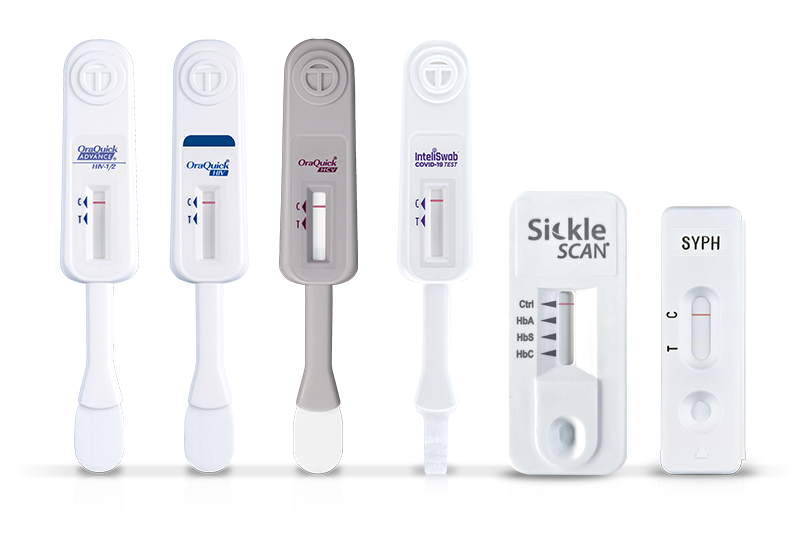
OraSure Technologies makes the Intercept oral fluid collection device used for confirmatory lab testing and point-of-care screening. It is widely available to clinics and employers and is a recognized collection system for THC and other substances. For someone pursuing Safe Cannabis Experiences, the Intercept serves as a reliable step between quick screening and lab confirmation.
Why this product is included: Many users will encounter OraSure Intercept as part of workplace or clinical testing. It is highly validated and used for both screening and confirmatory workflows, making it relevant as a more formal option when you need documentation or a trusted sample for further analysis.
Technical Information
- Sample type: Oral fluid collection device with preservative buffer for lab analysis
- Target analytes: THC and multiple other drugs depending on lab panel
- Result time: Point-of-care screens 10-15 minutes; lab confirmation 24-72 hours
- Chain of custody: Supported via kit and lab services
Why This Product Is Included
OraSure Intercept is included because it is the bridge between consumer screening and lab-grade confirmation. If you need an official test result or are part of a program that requires documented screening, this system is widely accepted and reliable for recent cannabis detection in saliva.
- Established chain-of-custody system for lab confirmations
- Reliable collection method with preservative buffer
- Acceptable in many workplace testing protocols
- Low sample contamination risk when properly handled
- Compatible with many lab panels for broad screening
- Requires lab processing for confirmatory results
- Longer time to definitive result than portable breath devices
- Costs and logistics make it less practical for casual personal checks
Performance Analysis
OraSure Intercept has high reliability for detecting recent THC exposure in oral fluid and is commonly paired with confirmatory GC-MS or LC-MS/MS lab tests. In validated workflows, sensitivity and specificity are high, with lab confirmation minimizing false positives. Expected metrics:
- Screening accuracy: ~85-95% depending on panel and lab
- Confirmatory accuracy: >98% with laboratory analysis
- Turnaround: 24-72 hours for confirmatory lab results
User Experience and Scenarios
Great for clinicians and employers who need documented results. In a harm reduction context, it is less suitable for a last-minute check before driving, but useful if you seek an authoritative test for medical, legal, or employment reasons. I recommend it when you need a record or when screening results from a handheld device need confirmation.
Maintenance and Care
- Store kits in cool, dry conditions and follow expiration dates carefully.
- Handle chain-of-custody documents with care to preserve sample integrity.
- Ship samples to certified labs promptly to avoid degradation.
Compatibility and Use Cases
Ideal for clinical settings, workplace confirmation, and any situation requiring documented evidence of recent cannabis use. Not designed for casual consumer convenience tests but complements portable devices for a layered approach to Safe Cannabis Experiences.
"For programs that need documented evidence, a validated oral fluid collection like OraSure Intercept gives a reliable confirmation pathway." - Dr. Peter Hall, Forensic Toxicologist
Troubleshooting
- Insufficient sample volume - follow collection instructions exactly and wait until the pad saturates.
- Contamination concerns - use new gloves and ensure kit surfaces are clean to avoid cross-sample contamination.
- Delays in lab results - contact lab for status and ensure tracking number is provided at shipment.
Buying Guide: How to Choose Personal Cannabis Breathalyzers and Related Testers
Choosing the right device depends on your goals, budget, and how you plan to use it. This guide helps you score options across key criteria so you can select a product that supports Safe Cannabis Experiences.
Key Selection Criteria and Scoring System
Use a 1-5 scoring for each category, then total for a 25 point max score.
- Detection Purpose (1-5) - Do you need a quick consumer check or workplace-level screening?
- Accuracy and Validation (1-5) - Has the device been validated in published pilots or vendor tests?
- Usability (1-5) - Ease of use and app/interface design.
- Cost and Consumables (1-5) - Upfront price and recurring cartridge/test costs.
- Support and Warranty (1-5) - Vendor support, updates, and warranty length.
Budget Considerations and Price Ranges
Price ranges in 2026:
- Consumer breathalyzers (basic): 50 - $400 initial, $2-8 per cartridge
- Advanced portable breath or oral devices: $600 - $2,500, $5-15 per test
- Workplace or lab-grade systems: $2,500 -
0,000+, plus lab fees for confirmatory testingConsider cost per useful test over time - a $300 unit with $5 cartridges might be more economical than a
000 unit with $20 cartridges depending on usage.Maintenance, Longevity, and Cost Projections
Plan for consumable replacement and battery replacement over 2-4 years. Expect:
- Annual consumable costs = tests per month x cartridge cost x 12
- Battery replacement every 2-3 years for heavy users ($20-$80)
- Firmware updates may be free but some vendors charge for premium reporting features
Compatibility and Use Cases
Choose a breath device if your primary need is quick post-inhale checks. Choose oral fluid devices for multi-drug screening and lab-compatible samples. For occasional personal checks, a lower-cost breath or single-panel oral test is appropriate. For employers or clinical settings, invest in validated, lab-linked systems.
Expert Recommendations and Best Practices
Experts advise combining a device check with conservative waiting practices. If a device flags recent use, wait at least an additional 60-90 minutes and reassess. Also maintain clear logs if device results are used for workplace decisions. For edibles or high-tolerance users, device readings may be less predictive of impairment.
Comparison Matrices and Decision Tools
Use Case Recommended Device Type Budget Quick consumer pre-drive check Breathalyzer 50-$600Workplace screening Oral fluid handheld $600-$2500 Confirmatory testing Oral fluid collection for lab $50-$200 per test Seasonal and Timing Recommendations
Expect higher demand during holidays and festival seasons when more social use occurs - buy devices ahead of peak times to avoid stock delays. Also check shipping for batteries or cartridges that may be delayed seasonally.
Warranty and Support
Look for at least a 1 year limited warranty and clear customer support channels. For workplace purchases, ask about multi-unit discounts and training support. Verify firmware update policies to keep detection algorithms current.
FAQ
What exactly does a personal cannabis breathalyzer detect?
Most breathalyzers look for trace markers in breath that indicate recent inhalation of cannabis. They are designed to flag recent use within a short window - usually minutes to a couple hours. They do not measure impairment directly or match legal blood THC levels.
How long after using cannabis will a breathalyzer show positive?
Detection windows vary by device and method of consumption. For inhalation, many devices are most sensitive within the first 15 to 90 minutes. Edibles may not show on breath devices but can still cause impairment for hours.
Are these devices legal to use and rely on for workplace decisions?
They are legal to use as screening tools in most places, but they are not universally accepted as legal proof of impairment. Employers should combine screening with clear policies and, when needed, confirmatory testing via labs for formal decisions.
Can a breathalyzer tell me if I am safe to drive?
A breathalyzer can be a helpful tool but is not a perfect safety guarantee. Use the device as part of a conservative plan: dose carefully, wait appropriate time, and use a breath check as an additional cue. If in doubt, avoid driving and choose alternative transport.
How often do I need to replace cartridges or test strips?
Replace consumables according to manufacturer guidance. Single-use cartridges are common for breath devices, and expiry can be 6-18 months. Keeping a small stock prevents lapses when you need a check.
Do tolerance and body weight affect device results?
Tolerance affects impairment but not necessarily breath markers in a linear way. A high-tolerance person may test positive yet feel functional, or test low yet feel impaired - personal physiology matters. Use devices plus careful self-monitoring.
Will foods, mints, or mouthwash affect results?
Yes, some oral products can affect saliva-based tests if used immediately before sampling. Most vendors recommend waiting 10-15 minutes after eating, drinking, or using mouthwash before testing to reduce interference.
Can these devices detect edibles or only inhalation?
Breath-based devices generally focus on inhalation markers and are less reliable for edibles. Oral fluid devices can sometimes detect metabolites related to edibles, but lab confirmation is more reliable for ingestion detection.
What should I do if a device gives inconsistent readings?
Check consumable expiry and storage, ensure proper sampling technique, update firmware, and run control checks if available. If inconsistency continues, contact vendor support and consider confirmatory lab testing when results matter.
Are there privacy concerns with logged test results?
Yes, consider how apps store and share data. Read privacy policies and choose devices that let you control data export and deletion. For workplace systems, clarify how records are used and retained before testing.
How do environmental factors influence breath or saliva tests?
Environmental contaminants or strong odors may sometimes influence sensor readings. Follow device instructions to do tests in neutral environments and avoid strong ventilation or smoke that may alter sampling.
Can children or pets cause cross-contamination?
Always store cartridges and kits securely to prevent accidental access by children or pets. Used cartridges should be disposed of according to vendor guidance and local rules for biological waste.
Conclusion
Personal cannabis breathalyzers and oral fluid testers are useful tools for people who want to make safer, more informed choices about cannabis and driving. They fit into a harm reduction model when paired with conservative dosing, awareness of tolerance, and the willingness to delay driving when in doubt. No device replaces time and judgement, but used properly these tools support Safe Cannabis Experiences by giving timely feedback and reducing risky decisions.
For most recreational users, a breathalyzer that targets recent inhalation is the most convenient way to add a safety check before driving. For workplace or clinical needs, oral fluid screening with lab confirmation is a stronger choice. Consider cost per test, maintenance, and vendor support when selecting a device. If you only need occasional checks, a lower-cost breath unit and careful waiting rules will usually give the best value while keeping you safe.
My final recomendation: start with clear personal rules - dose, wait, test - and keep conservative margins. If a device flags recent use, delay travel and re-test after a longer wait. For formal or high-stakes situations, use validated oral fluid collection and lab confirmation. Safety and preparation create the best Safe Cannabis Experiences, and these devices can be a practical part of that plan.
Keep learning, talk with health professionals if you have medical concerns, and choose tools that match your needs. When used thoughtfully, these devices help people stay safe, responsible, and supported while they explore cannabis.